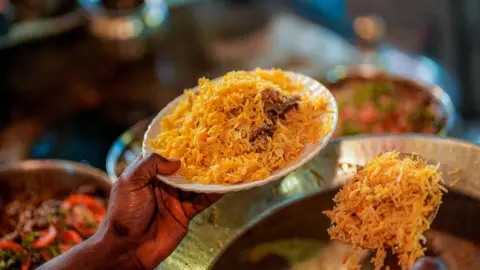
Mouth-watering kebabs, fragrant biryani, and fluffy, cloud-like desserts.
The northern Indian city of Lucknow has long been a dream destination for epicures, with inhabitants and tourists alike celebrating its exquisite cuisine.
Worldwide Recognition
Last month, The United Nations Educational, Scientific and Cultural Organization designated it as a City of Gastronomy within its Creative Cities Network – placing it on a exclusive roster of global cities and igniting hopes that it will highlight Lucknow's sublime food. With this title, it enters a global network of more than four hundred urban centers across over 100 countries dedicated to promoting "artistic expression as a driver of development that sustains urban life".
The honor "is a testament to its profound food heritage and lively culinary scene," as stated by a official from Unesco's Regional Office for South Asia.
Lucknow is only the second Indian city – following Hyderabad, which was picked in 2019 – to secure a position in this prestigious list of 70 global destinations internationally.
An Urban Center with a Culinary Soul
The honor for this venerable city comes as little surprise to its residents or passionate food lovers. Many agree with the view that it is "a recognition that was delayed".
With the UNESCO designation, this adored, lively, and diverse city – the capital of India's most populous state – is at last in the global gaze for what has consistently defined its essence: an immense devotion for food.
"'What will be cooked, how will it be cooked' is a constant conversation from waking up until night in many homes," states a local cultural expert. "And you are actually evaluated by the quality of food that emerges from your kitchen."
An Imperial Food Tradition
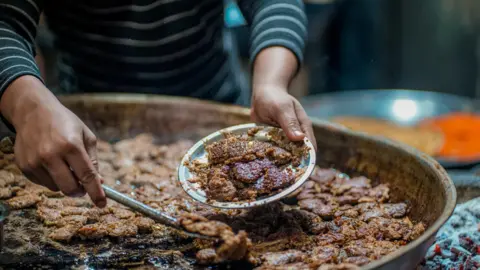
The City of Nawabs – as it's often referred to after its 18th and 19th Century opulent Muslim rulers – is famed for its tender kebabs and a distinctive take on biryani that were invented, refined, and taken to sublime levels in their opulent kitchens.
These imperial kitchens were epicenters of culinary innovations, fusing Persian and native Indian styles to create what became known as the cuisine of Awadh.
It was during this time that Lucknow's renowned kebabs were developed. Legend has it that the galouti kebab was devised to cater to an ageing nawab who had lost his teeth. His culinary artists processed the meat with raw papaya, kesar, and a blend of spices and made it so soft that it required no chewing.
But perhaps the biggest contribution of the chefs of Awadh was the slow-cook Dum pukht technique, where food is prepared on a low, leisurely heat, with the pot's lid securely sealed with a flour paste.
Beyond Kebabs and Biryani
Apart from the well-known kebabs and biryani, the culinary masters also built up a repertoire of dishes that included kormas (rich curries), sheermal (saffron-infused flatbread), and shahi tukda (a sweet bread pudding).
However, Lucknow is far more than kebabs and biryani – the region is also a haven for vegetarians.
The local Baniya community's cuisine doesn't just celebrates local ingredients but also gives the city its highly curated Indian desserts, sweets, and distinctive street food, like chaat – zesty fried snacks.
Iconic Stalls and Historic Shops
Virtually on countless corners, there are tiny kiosks and carts – lesser-known treasures that are wildly favored by the locals.
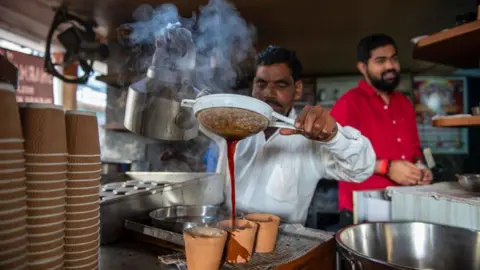
In the city center of Hazratganj, large gatherings start milling around from the crack of dawn at a legendary tea stall to get a steaming cup of milky masala chai, served in earthenware cups, along with fluffy buns slathered with hand-churned white butter.
For breakfast, one can visit a simple joint operating in the historic quarter of Aminabad. Almost 150 years after it was founded, the place is still much sought-after for its freshly fried kachoris (fried bread stuffed with lentils) and jalebis (crispy, syrup-soaked sweets).
Preserving Tradition for the Future
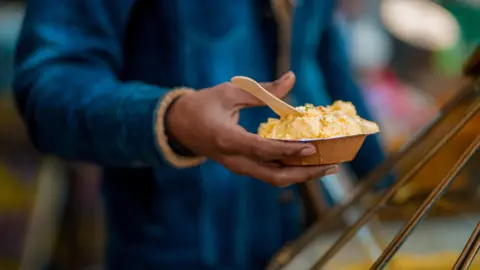
The city also offers special treats of the season, such as makkhan malai, a frothy dessert found in the winter. The technique of making it is intricate and involved. The cook beats the milk and then sets it out at night, allowing the nighttime moisture to give it its amazing airy feel.
On cold mornings, street vendors can be seen in old city areas like Aminabad and Chowk. A number of however note that their younger generation are unwilling to take up the art.
A well-known culinary expert from Lucknow has often said that the city's immense food legacy puts it at the very pinnacle of the Indian street food experience. The true benefit from the UNESCO recognition, however, will be realized only if Lucknow can now build recognition about its lesser-known eateries.
Every dish in Lucknow comes with a history – influenced by family-run food businesses, from modest street carts to lively restaurants, and guarded family recipes.
The worldwide honor, it is believed, will inspire more people globally to discover these tales and visit the city to delight in the culinary delights of Lucknow.


